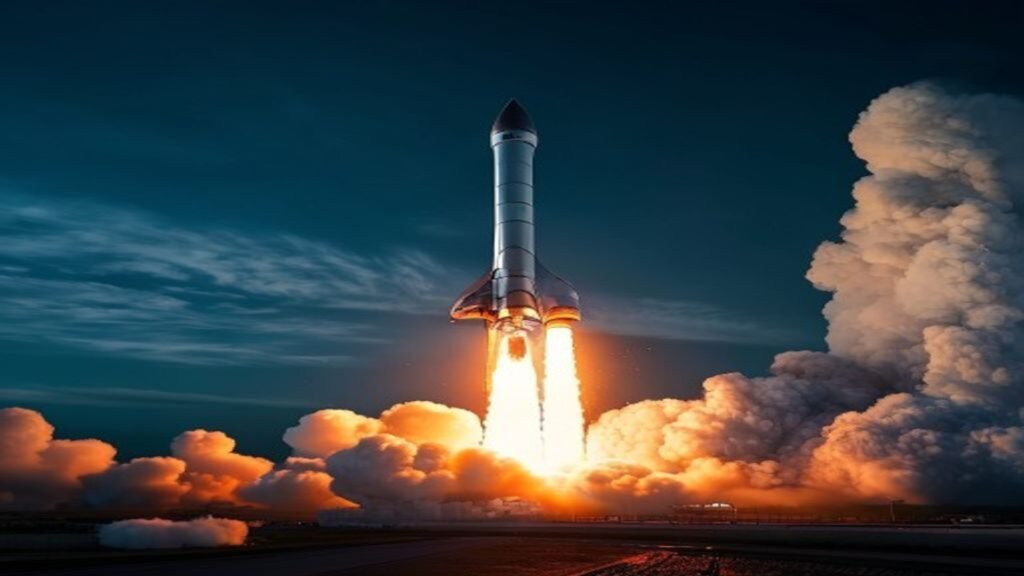
Elon Musk has never been accused of thinking small, but his latest pronouncement sets a new bar even by his standards: the SpaceX chief suggested the company’s value could eventually outgrow Earth itself, as 24/7 Wall St. reported — a claim that sent the perennial “how big can SpaceX get?” debate trending across financial media this week.
The Numbers Behind the Hype
Strip away the planetary rhetoric and the underlying figures are still staggering. Citigroup analysts recently issued a $900 per-share price target on the company — a figure that implies a valuation in the neighborhood of $11 trillion, with other Wall Street targets clustering around $800 per share. For context, that would make SpaceX worth more than the several largest American technology companies combined at today’s prices. Shares have recently traded back around their $135 IPO level, meaning the most bullish analysts are projecting gains measured not in percentages but in multiples.
Skeptical analysts counter with a more grounded ceiling: a valuation in the $10-12 trillion range is plausible only if a long list of technological bets all pay off — hardly a foregone conclusion, and one reason coverage of the claim has framed SpaceX as a “super-high-risk, high-reward” proposition fit for true believers.
What Would Have to Go Right
The bull case rests on four pillars. Starship at scale: the fully reusable heavy-lift system must move from spectacular test flights to routine, airline-like operations that collapse the cost of reaching orbit. Starlink dominance: the satellite internet constellation — already the revenue engine of the company — must convert its head start into durable market control as competitors launch rival networks. Orbital data centers: the emerging concept of moving power-hungry AI computation into space, where solar energy is abundant and cooling is free, must graduate from white paper to working infrastructure. And finally, AI integration across the whole space stack, from autonomous operations to inter-satellite networking.
Each pillar is individually plausible; requiring all four simultaneously is what separates a valuation model from an aspiration. As the 24/7 Wall St. analysis put it, the company is “shooting to take the fiction out of science fiction” — with ambitions stretching to space tourism and asteroid mining.
The Case for Skepticism
History urges caution about extrapolating any company to planetary scale. Every previous “this time is different” valuation story — from the dot-com darlings to more recent bubbles — eventually met gravity. SpaceX faces genuine constraints: launch cadence physics, regulatory bottlenecks, geopolitical exposure of satellite networks, and the simple fact that its most valuable markets do not fully exist yet. A company priced for the colonization of the solar system leaves no room for ordinary disappointment.
Why It Still Matters
Even the skeptical read concedes the central point: SpaceX has already rewritten the economics of space, lofting the majority of global payload mass and turning reusable rockets from fantasy into Tuesday. Whether the company is ultimately worth one trillion or eleven, the trajectory of American technology investment increasingly runs through it. Musk’s Earth-sized boast is marketing, not math — but the market keeps proving reluctant to bet against the underlying machine.
This article is for informational purposes only and does not constitute investment advice.