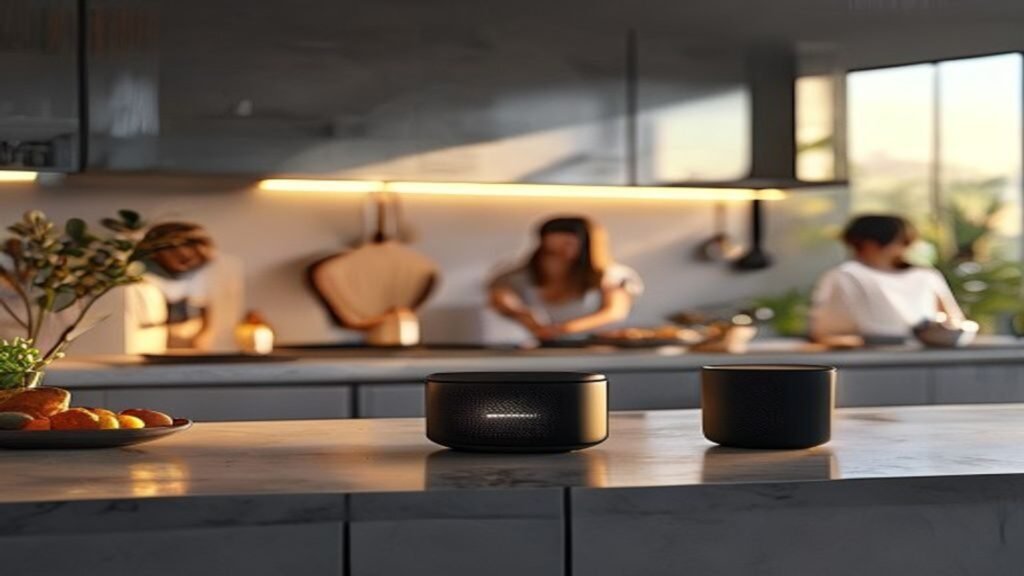
The first generation of smart speakers promised a revolution and delivered a kitchen timer. Americans bought hundreds of millions of the devices, then used them to play music, check the weather, and little else. That plateau ended when large language models moved into the living room. The new generation of home AI actually converses, remembers, and coordinates — and it is quietly becoming the operating system of the American household.
From Commands to Conversations
The difference is immediately audible. Where old assistants demanded rigid phrasing, the new ones handle the way families actually talk: vague, interrupted, multi-part. Ask what to cook with what is in the fridge, and the assistant cross-references the grocery order, suggests three dinners, and starts a timer when the pan is hot. Follow-up questions no longer require repeating context. For households that adopted the upgraded assistants, usage patterns changed dramatically — from an average of a few utility commands per day to genuine planning conversations: trips, budgets, homework help, and the eternal negotiation of the family calendar.
The Energy Manager You Never Hired
The most measurable benefit arrived on the utility bill. Home AI now orchestrates thermostats, water heaters, EV charging, and solar batteries around electricity prices and weather forecasts. Utilities report growing enrollment in programs that let home systems shift consumption to off-peak hours automatically, shaving load during heat waves and saving participating households meaningful money each month. What no amount of public messaging accomplished — genuine demand flexibility — a helpful machine achieved by simply handling the details.
Caring for the People Who Raised Us
Perhaps the most emotionally significant use case is elder care. Millions of American families now use home AI as a gentle presence in an aging parent’s house: medication reminders delivered in a friendly voice, fall detection through radar sensing rather than intrusive cameras, and daily check-in conversations that alert adult children only when patterns break. Geriatric care professionals report that the technology is extending independent living by months or years — not by replacing human care, but by filling the quiet hours between visits.
The Price of an Attentive House
A house that listens raises obvious questions, and the industry has learned that trust is its scarcest resource. The response has been architectural: more processing now happens on-device, sensitive categories like health conversations receive stricter handling, and privacy dashboards let households review and delete what the assistant retains. Skeptics reasonably note that business models built on data create standing temptation, and regulators have taken interest in how home AI recommendations steer purchases. The ambient computer, like every computer before it, will be shaped by the rules written around it.
The Disappearing Interface
The trajectory is toward invisibility. Screens and wake words are giving way to ambient orchestration — the house that warms the car before your calendar’s first meeting, reorders the detergent, and dims itself when the last bedroom goes quiet. Technologists call it calm computing, the decades-old dream of machines that serve without demanding attention. American homes are becoming the proving ground for that idea at civilization scale. The revolution, it turns out, did not arrive with fanfare. It arrived speaking softly, from the kitchen counter, asking whether you would like it to preheat the oven.