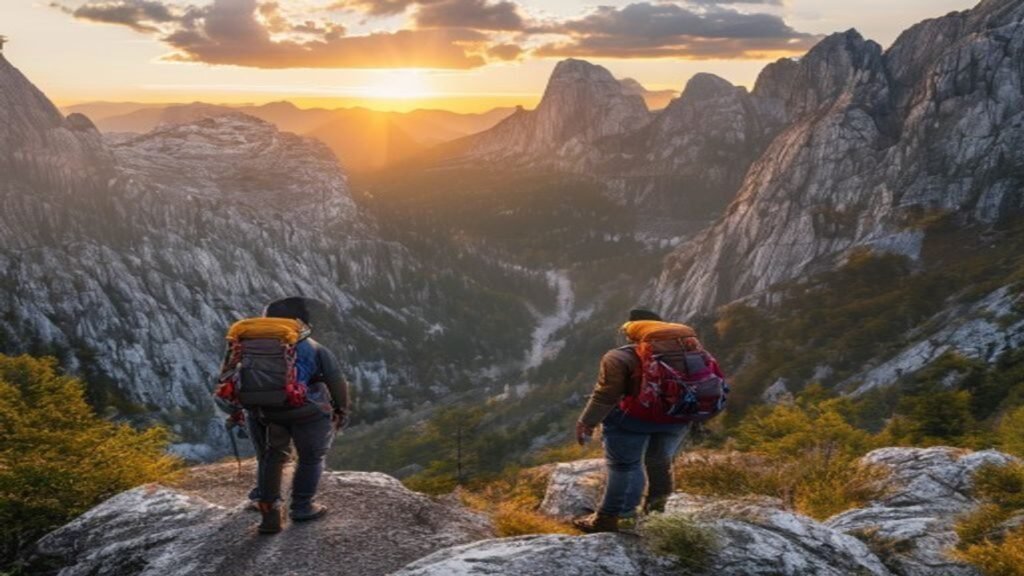
America’s national parks are having their busiest era in history. Annual visitation across the park system has surged past three hundred million, with marquee destinations — Yellowstone, Zion, Great Smoky Mountains — setting records that produce a modern paradox: two-hour entrance lines for wilderness, and parking apps for places designed as escapes from exactly that. The crowding is real. So, fortunately, is the playbook for avoiding it.
Why the Surge Happened
The boom has layered causes. The pandemic reintroduced Americans to outdoor recreation and the habit stuck, with hiking, camping, and paddling participation at generational highs. Social media turned specific viewpoints into pilgrimage sites, concentrating millions of itineraries onto identical boardwalks at identical golden hours. Remote work untethered travel from school calendars. And the parks’ own popularity compounds: each record year produces coverage that inspires the next. Park superintendents describe the challenge bluntly — the mission is preservation and access, and the arithmetic of both has never been harder.
The Reservation Era
The system’s response has been managed access. Timed-entry reservations, piloted amid controversy, have become standard practice at the most pressured parks during peak seasons, alongside permit lotteries for celebrity trails. The results, data shows, are what managers hoped: smoother visitation curves, restored parking sanity, and visitor-satisfaction scores that rose once arrival stopped resembling a stadium event. The lesson for travelers is procedural: the parks now reward planners. Reservation windows open months ahead, cancellations release daily, and the spontaneous traveler’s move is arriving before dawn — which veterans recommend anyway, since the parks’ best hours have always been their earliest.
The 400-Unit Secret
The most effective crowd strategy hides in the system’s structure: the National Park Service manages well over four hundred units, and the famous sixty-three headline parks absorb wildly disproportionate traffic. For every packed icon there are national monuments, seashores, recreation areas, and historic parks offering comparable landscapes at a fraction of the density — the canyon country beyond the Utah Big Five, wilderness seashores an hour from major cities, and forest service lands bordering famous parks with identical scenery and empty trailheads. Rangers repeat the advice like a mantra: the parks two hours from the famous one are the famous one, thirty years ago.
Timing Is the Other Geography
Season-shifting delivers what destination-shifting cannot. Shoulder months — April, May, September, October — offer most parks at their best: moderate temperatures, active wildlife, autumn color or spring runoff, and visitation curves at half their July peaks. Winter transforms the equation entirely; Yellowstone under snow or the Grand Canyon rim after a storm are arguably superior experiences available essentially without competition. Even peak-season days have interior geometry: the crowds concentrate between ten and four within a mile of pavement, and hikers who start early or walk farther routinely report solitude inside the busiest parks in the country.
Loving Them Well
The crowding conversation ultimately circles to stewardship. Trampled meadows, habituated wildlife, and search-and-rescue statistics all trace to visitation outrunning preparation, and the Leave No Trace ethic has shifted from campground poster to survival requirement for the system itself. Advocates note the hopeful reading: record visitation reflects a country that still treasures its public lands, and support for park funding polls across every demographic and political line. Three hundred million annual visits are not a problem to solve. They are a promise to manage — proof that America’s best idea remains exactly that.