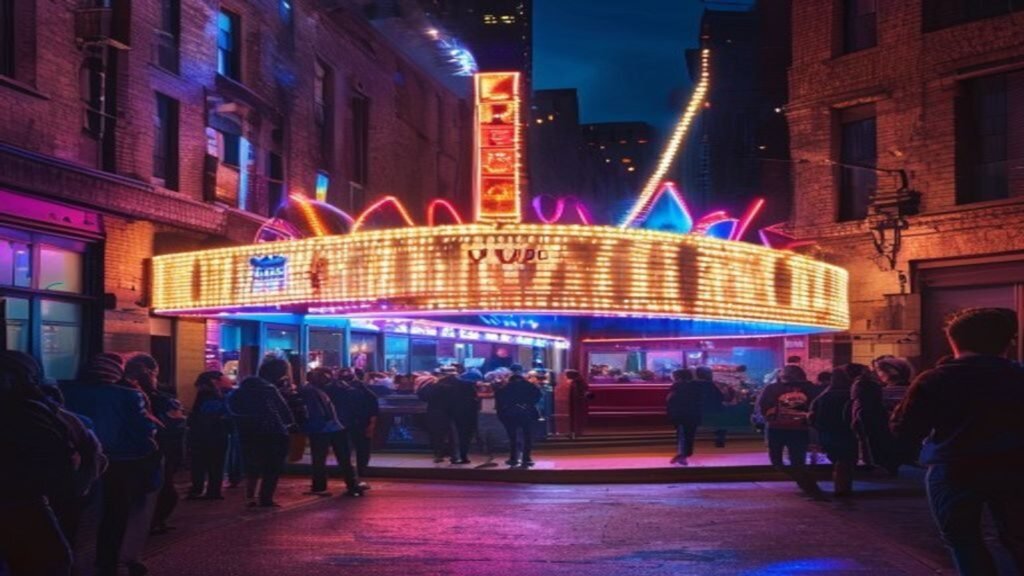
When Broadway’s lights went dark in 2020, obituaries for live theater practically wrote themselves. The industry that reopened eighteen months later faced every disadvantage: nervous tourists, aging subscribers, and competition from a bottomless scroll of home entertainment. Yet several seasons on, the American theater is posting some of the strongest numbers in its history — and the story of how it got here is one of the most instructive comebacks in modern entertainment.
The Numbers Behind the Roar
Recent Broadway seasons have set records for gross revenue, with attendance climbing back to and beyond pre-pandemic benchmarks. But the composition of the audience changed in ways the industry finds more encouraging than the totals. The crowd is measurably younger and more diverse than a decade ago, driven by shows engineered to reach beyond the traditional theatergoing base and by pricing experiments — digital lotteries, rush tickets, and dynamic pricing — that put affordable seats within reach of audiences who assumed Broadway was closed to them.
The Star Power Calculation
One engine of the comeback is unapologetic celebrity casting. Film and television stars now headline limited Broadway runs as a rite of prestige, and their fan bases follow, often buying their first theater ticket to see a favorite actor breathe the same air. Purists grumble, but producers point to the data: star-led limited runs routinely sell out at premium prices, and surveys show a meaningful share of those first-timers return for a second show without a celebrity attached. The stars are the gateway; the theater itself is the retention strategy.
Beyond Times Square
The recovery is not confined to forty-one Manhattan theaters. Touring Broadway has become a juggernaut, with national tours grossing enormous sums in cities from Tempe to Tampa and presenting organizations reporting record season-ticket sales. Regional theaters, which faced genuine existential crisis mid-decade, have stabilized by rethinking their model — co-producing with other cities to share costs, programming shorter seasons with bigger swings, and treating their buildings as seven-day community venues with concerts, comedy, and local events filling formerly dark nights.
New Voices, New Forms
Creatively, the era rewarded risk. The biggest recent hits include genre-bending musicals built from unexpected source material, intimate plays that transferred from tiny nonprofit stages, and revivals reimagined so thoroughly they played like premieres. Producers learned that the scarce commodity in an on-demand world is the unrepeatable event — the show people must see in a room, this season, before the limited run closes. Scarcity, long theater’s weakness against film’s infinite copies, became its marketing superpower.
The Fragile Miracle
Insiders are quick to note what the headlines omit: costs have risen faster than grosses, profitability remains elusive for most productions, and the industry still leans heavily on a handful of megahits to subsidize ambition. Labor negotiations, real estate pressures, and the perennial question of who can afford to work in theater remain unresolved. But the existential question — whether audiences would return to rooms where strangers gather in the dark — has been answered emphatically. In an age of infinite streams, Americans proved willing to pay premium prices for two hours of live, unrepeatable human presence. That may say as much about the culture as it does about Broadway.