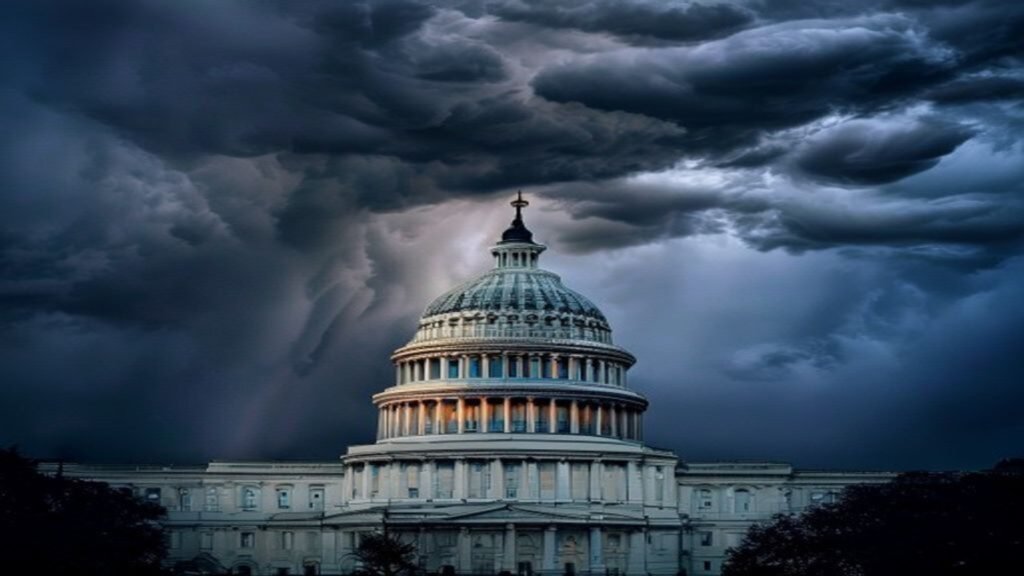
WASHINGTON — The House of Representatives is limping through July with its must-pass defense bill stuck in neutral, after a conservative rebellion over election legislation froze the floor, forced an early start to the July Fourth recess, and left Speaker Mike Johnson managing the latest in a series of revolts from his own conference, The Hill reported.
How the Standoff Started
The trigger was the SAVE America Act, a Trump-backed elections overhaul that a bloc of House conservatives demanded be attached to the National Defense Authorization Act — the annual defense policy bill that has passed Congress for more than six consecutive decades. When leadership balked at the pairing, GOP members rebelled and blocked floor action, Yahoo News reported, paralyzing the chamber. Rather than fight through the impasse, the House broke for its Independence Day recess early, per TIME — leaving the NDAA without a path forward.
Johnson’s Shrinking Calendar
The rebellion has collided with an unforgiving legislative clock. Leadership returned from recess hoping to move both the NDAA and the annual appropriations bills before the August break, with government funding deadlines and FISA surveillance reauthorization also crowding the runway, The Hill noted. Every week lost to internal warfare increases the odds of a chaotic September — and the specter of a shutdown fight landing weeks before the midterm elections.
The defense community is watching with growing alarm. The Association of Defense Communities noted the House left town without NDAA progress, warning that delays ripple into military construction, family housing programs, and pay provisions that installations across the country depend on.
A Familiar Pattern — With a Twist
Floor rebellions by small blocs have been a recurring feature of the narrow-majority House era, employed by factions of both parties’ right and left flanks. What distinguishes this fight is the object: conservatives are not resisting the president but attempting to force his priorities onto must-pass legislation faster than leadership believes the votes allow. The internal power struggle has produced its own trending searches, with clashes between members spilling into public view and cable coverage.
Meanwhile, the bill faces headwinds across the Capitol, where Senate Democrats have mounted their own blockade over separate provisions — meaning that even a House breakthrough would not guarantee smooth passage of the final defense measure.
What to Watch
Three signals will indicate where this ends. First, whether leadership schedules a standalone vote on the SAVE America Act — giving rebels their fight without hostage-taking the NDAA. Second, whether appropriators are granted floor time before August, the surest sign the calendar crunch is being taken seriously. Third, whether the defense bill’s traditional bipartisan coalition — which has survived every political storm since the Kennedy administration — holds once the procedural logjam breaks.
Congress has never failed to pass an NDAA. That streak is probably safe. But the route this year runs through a Republican conference at war with its own clock — and a Speaker who has learned that in this House, every week is an away game.