
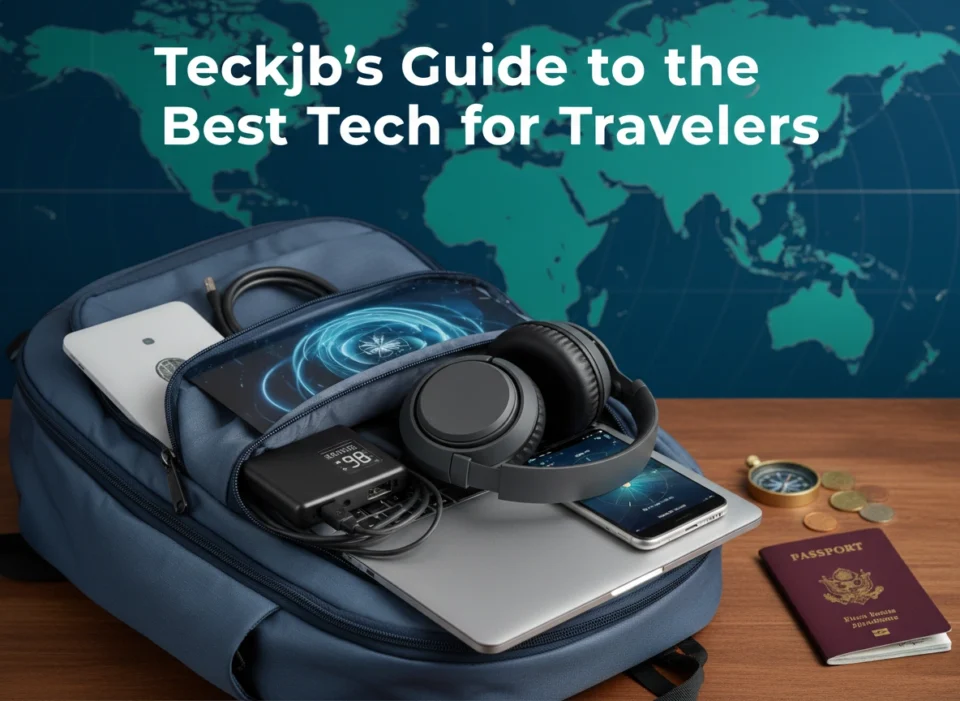
The modern traveler is a hybrid creature—part adventurer, part digital nomad. Gone are the days when a paper map and a handful of traveler’s checks were the only tools in your arsenal. Today, the success of a trip often hinges on the technology you pack in your carry-on. Whether you are navigating the chaotic streets of Tokyo, hiking through the serene landscapes of Patagonia, or simply enduring a 14-hour flight, the right tech can transform a stressful ordeal into a seamless experience.
We rely on our devices not just for entertainment, but for survival. They are our translators, our banks, our navigators, and our connection to home. But with the endless sea of gadgets flooding the market, how do you distinguish the essential from the gimmicky? This guide cuts through the noise to bring you the definitive list of travel technology that actually matters.
The Essential Hardware: Gadgets You Can’t Leave Behind
When every ounce in your backpack counts, you need hardware that pulls its weight. These are the non-negotiables for any serious traveler.
Portable Power Banks: The Lifeblood of Travel
Imagine landing in a foreign city at midnight. Your phone is dead, your digital boarding pass is inaccessible, and you don’t speak the language. This scenario is every traveler’s nightmare, but it is entirely preventable. A high-capacity power bank is no longer a luxury; it is a necessity.
Don’t settle for the cheap, lipstick-sized chargers that barely offer a 50% boost. Look for a power bank with at least 10,000mAh capacity, which can charge a standard smartphone two to three times. For those carrying laptops or tablets, aim for 20,000mAh or higher with Power Delivery (PD) support. Brands like Anker and Mophie offer models that are rugged, fast-charging, and compliant with airline carry-on regulations.
Noise-Canceling Headphones: Your Personal Sanctuary
Travel is loud. From the roar of jet engines to the chatter of a crowded train car, noise is the constant companion of the road. Active Noise Canceling (ANC) headphones create a bubble of silence that is vital for rest and mental clarity.
Over-ear options like the Sony WH-1000XM5 or the Bose QuietComfort Ultra offer superior isolation and comfort for long hauls. However, if space is at a premium, high-quality earbuds like the Apple AirPods Pro (2nd Gen) or the Sennheiser Momentum True Wireless 4 provide surprising noise cancellation in a pocket-sized package. The key is to find a pair with long battery life and a comfortable fit, as you might be wearing them for hours at a time.
Travel Routers: Secure Wi-Fi Anywhere
Public Wi-Fi networks in airports, cafes, and hotels are notoriously insecure. They are hunting grounds for hackers looking to intercept sensitive data like credit card numbers and passwords. A portable travel router solves this problem by creating a secure, private bridge between your devices and the public network.
Devices like the GL.iNet Beryl AX act as a firewall, allowing you to connect multiple devices to a single hotel Wi-Fi login. More importantly, they often support VPN (Virtual Private Network) integration directly on the router, ensuring every device you connect—from your phone to your Nintendo Switch—is encrypted and secure.
Universal Travel Adapters
The frustration of staring at a wall outlet that doesn’t match your plug is a rookie mistake. A universal travel adapter is the unsung hero of international travel. Modern iterations do more than just change the prong shape; they act as power hubs.
Look for adapters that include multiple USB-C and USB-A ports. This allows you to charge your laptop, phone, and camera simultaneously while only occupying one wall socket. GaN (Gallium Nitride) adapters are particularly excellent because they are smaller, run cooler, and charge devices faster than traditional silicon-based chargers.
Software Essentials: Apps That Smooth the Journey
Hardware is useless without the software to drive it. Your smartphone is the ultimate travel multitool, provided you have loaded it with the right applications.
Navigation and Transit
Google Maps remains the gold standard, but power users know to download offline maps before leaving Wi-Fi. This ensures you can still navigate even if you lose signal or don’t have a local SIM card.
For public transit, Citymapper is indispensable in major metropolitan areas. It offers real-time routing that combines subway, bus, walking, and even ferry schedules often more accurately than Google. If you are road-tripping, Waze provides community-driven updates on traffic and speed traps, while Maps.me is fantastic for hiking trails and off-grid navigation.
Organization and Planning
Keeping track of flight confirmations, hotel bookings, and tour vouchers can be chaotic. TripIt automatically scans your email inbox for reservations and compiles them into a master itinerary. The pro version even alerts you to gate changes and flight delays often before the airline does.
For currency conversion, XE Currency works offline, saving you from doing mental math every time you buy a coffee. If you are traveling in a group, Splitwise is essential for tracking shared expenses and settling debts without awkward conversations.
Language and Translation
The language barrier is one of the most daunting aspects of travel. Google Translate has improved massively, especially with its camera feature that translates menus and street signs instantly. For deeper learning, Duolingo is great for prep, but for on-the-ground conversation, consider DeepL, which often provides more natural-sounding translations for European languages.
Choosing Travel-Friendly Tech: A Buyer’s Guide
Not all tech is built for the rigors of the road. When shopping for travel gear, specific criteria should guide your decisions.
Weight and Portability
Every gram matters. If a device is heavy, you will resent it by the third day of walking. Prioritize multifunctionality. Why carry a Kindle, a tablet, and a laptop if a high-end tablet with a keyboard case can do the job of all three? Look for “ultralight” specifications and compact form factors.
Durability and Build Quality
Travel is rough. Your gear will be shoved into overhead bins, dropped on cobblestones, and exposed to humidity. Tech with an IP rating (Ingress Protection) for water and dust resistance is preferable. Cables should be braided for strength, and cases should be shock-absorbent. Fragile tech stays at home; rugged tech sees the world.
Battery Life and Charging Speed
A device that dies in four hours is useless on a transatlantic flight. Always check real-world battery reviews, not just the manufacturer’s claims. Furthermore, prioritize devices that support fast charging. Being able to get a 50% charge during a 20-minute layover can be a lifesaver.
Cybersecurity: Keeping Your Tech Safe on the Road
Physical theft isn’t the only risk travelers face. Digital safety is paramount when you are outside your home network.
The Golden Rule: Use a VPN
Never connect to a public Wi-Fi network without a VPN. A Virtual Private Network encrypts your internet traffic, making it unreadable to anyone snooping on the network. Services like NordVPN or ExpressVPN are reliable, easy to use on mobile devices, and offer a “kill switch” that cuts your internet if the VPN connection drops.
Backup Strategies
Data loss can happen through theft, damage, or corruption. Follow the 3-2-1 backup rule: keep three copies of your data, on two different media types, with one offsite. Practically, this means backing up your photos to a cloud service (like Google Photos or iCloud) whenever you hit hotel Wi-Fi, and also carrying a small, rugged SSD drive to back up your camera’s SD cards physically.
Device Tracking
Enable “Find My” (Apple) or “Find My Device” (Android) before you leave home. These services allow you to locate, lock, or wipe your device remotely if it goes missing. For non-connected items like backpacks or passport holders, Bluetooth trackers like AirTags or Tile pros provide peace of mind and have helped thousands of travelers recover lost luggage.
Conclusion
The best travel tech doesn’t distract you from the world; it removes the friction that prevents you from enjoying it. It is the noise-canceling headphones that let you sleep on a noisy train, the map app that guides you to a hidden restaurant, and the power bank that ensures you can capture the sunset over the ocean.
As you pack for your next adventure, remember that technology is a tool, not the destination. Choose gear that is reliable, durable, and genuinely useful. Secure your data as tightly as you secure your passport. By integrating the right technology into your travel routine, you empower yourself to explore further, stay safer, and immerse yourself more deeply in the journey.
Please click here for more info.
