
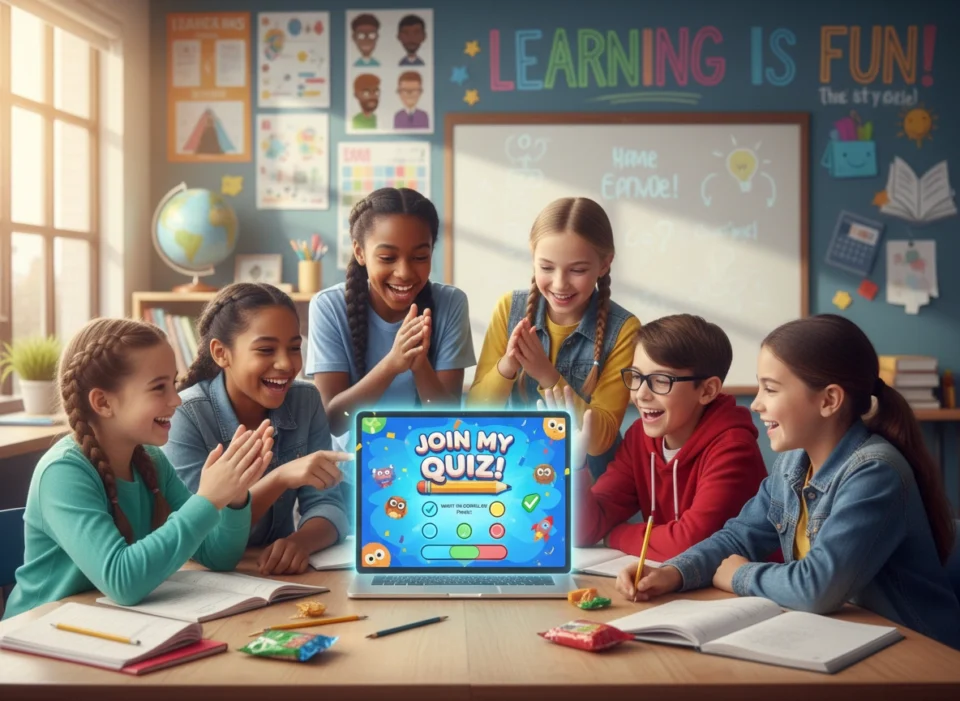
Keeping students engaged requires more than just a well-prepared lecture. As educational methods evolve, educators constantly seek new ways to capture attention and make complex subjects accessible. Enter the interactive digital quiz—a tool that has fundamentally changed how we approach classroom assessments and reviews.
By blending education with elements of play, interactive quizzes transform passive listening into active participation. This article explores the core benefits of using gamified assessments in educational settings, examines how they enhance student engagement, and highlights the role of modern learning platforms in reshaping traditional instruction.
The Evolution of Classroom Engagement
For decades, standard educational models relied heavily on rote memorization and direct instruction. Teachers delivered information, and students absorbed it. Assessments usually came at the end of a unit in the form of high-stakes, anxiety-inducing exams. This traditional approach often left struggling students behind and failed to motivate those who mastered the material quickly.
Active learning shifts the focus from the teacher to the student. When educators integrate interactive tools into their daily routines, they create an environment where students actively process information. Digital platforms have made this transition seamless. Instead of waiting weeks for a unit test, students can demonstrate their understanding in real-time. This immediate application of knowledge solidifies concepts and reveals areas that require further review before moving forward.
Why Interactive Quizzes Work
The success of digital quizzes stems from their ability to tap into basic human psychology. By incorporating game-like elements into serious learning, these platforms trigger motivation and focus.
The Power of Immediate Feedback
One of the most significant advantages of digital quizzes is the instant feedback they provide. When students answer a question, they immediately know if they are right or wrong. This instant gratification—or correction—helps them adjust their understanding on the spot. If they make a mistake, they can instantly review the correct answer, preventing the reinforcement of incorrect information. This rapid feedback loop accelerates the learning process and helps students feel more in control of their educational journey.
Healthy Competition and Motivation
Gamification introduces a layer of healthy competition to the classroom. Leaderboards, point systems, and achievement badges tap into students’ natural desire to succeed and improve. When a teacher starts a session and prompts students to join my quiz, the energy in the room shifts. Students sit up straighter, focus their attention on their screens, and engage deeply with the material. They are no longer just answering questions; they are striving to beat their own previous scores or playfully competing with their peers.
Reducing Assessment Anxiety
Traditional tests often carry a heavy burden of stress. Students worry about their grades, leading to test anxiety that can obscure their actual understanding of the material. Interactive quizzes reframe the concept of testing. Because they often feel like games rather than formal exams, they serve as low-stakes assessments. Students can practice their skills without the fear of a permanent failing grade. This relaxed environment encourages risk-taking and fosters a growth mindset, where mistakes are viewed as stepping stones to mastery rather than absolute failures.
Transforming Education with Digital Platforms
Platforms designed for interactive learning have empowered teachers to reimagine their lesson plans. These tools offer features that go far beyond simple multiple-choice questions.
Data-Driven Instruction
While students see a fun game, teachers see a powerful diagnostic tool. As the quiz progresses, educators receive real-time data on class performance. They can instantly see which questions stumped the majority of the class and which concepts students mastered. This data allows teachers to pivot their instruction immediately. If 80% of the class misses a question about fractions, the teacher can pause the game and review that specific concept before moving on. This targeted approach saves time and ensures that foundational knowledge is secure.
Customization and Flexibility
Every classroom is unique, and standardized materials often fall short of meeting specific student needs. Interactive quiz platforms allow educators to create customized content tailored to their specific curriculum and student demographics. Teachers can adjust the difficulty level, add multimedia elements like audio clips or diagrams, and set the pacing of the quiz. Whether a teacher wants a fast-paced live review game or a self-paced homework assignment, these platforms provide the necessary flexibility to accommodate various learning styles.
Benefits of Integrating Quizzes into Lesson Plans
Integrating interactive quizzes into regular instruction yields long-term benefits for both students and educators.
Improved Knowledge Retention
Active participation requires a higher level of cognitive engagement than passive listening. When students actively retrieve information from their memory to answer a quiz question, they strengthen the neural pathways associated with that knowledge. This process, known as retrieval practice, is one of the most effective strategies for long-term retention. Regular, spaced quizzes ensure that information moves from short-term memory to long-term storage, leading to better performance on eventual cumulative assessments.
Increased Inclusivity
Digital quizzes often level the playing field for diverse learners. Students who might hesitate to raise their hands in a crowded classroom can confidently participate through their individual devices. Furthermore, many platforms offer accessibility features such as read-aloud options, adjustable text sizes, and translated questions, ensuring that language barriers or learning disabilities do not prevent a student from demonstrating their knowledge.
Practical Tips for Educators
To maximize the benefits of interactive quizzes, educators should implement them thoughtfully and strategically.
- Keep it Low Stakes: Use quizzes primarily for formative assessment rather than major grades. This encourages participation and reduces anxiety.
- Mix Question Types: Utilize a variety of formats, including multiple-choice, fill-in-the-blank, and open-ended questions, to test different levels of comprehension.
- Use as Entry or Exit Tickets: A quick five-question quiz at the beginning of class can activate prior knowledge, while an exit ticket can measure what students retained from that day’s lesson.
- Encourage Student Creation: Allow students to create their own quizzes for their peers. Teaching a concept is one of the best ways to ensure true understanding.
Conclusion
The integration of interactive digital tools into educational frameworks represents a massive leap forward in how we engage and assess students. By leveraging the power of immediate feedback, healthy competition, and low-stakes environments, platforms that utilize gamified quizzes transform routine reviews into highly anticipated events.
Educators who embrace these dynamic assessment methods find that their students are not only more engaged but also retain information more effectively. By moving away from passive instruction and inviting students to actively participate in their learning journey, teachers can foster a vibrant, data-informed, and deeply interactive classroom environment. The next time you want to energize your lesson plan, consider how a simple interactive quiz can completely change the way your students learn.
