
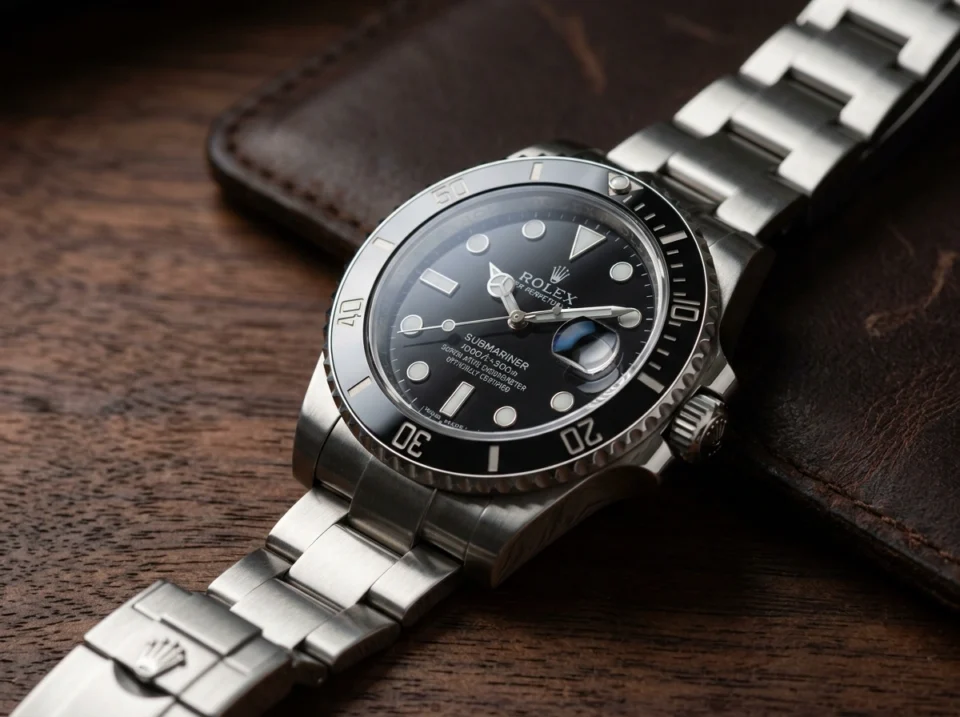
Shopping for a replica watch can feel like learning a new language. Sellers throw around terms like “super clone,” “1:1,” and “AAA grade” as if everyone already knows what they mean. For a first-time buyer, these labels create more confusion than clarity. This guide breaks down the basics so you can read listings with a sharper eye.
By the end, you’ll understand what super clone grades actually describe, which quality factors matter most, and how to compare options without falling for marketing hype. Here’s what you’ll learn:
- What “super clone” grades really mean and where the terms come from
- The materials, movements, and finishing details that separate tiers
- Practical red flags and a simple checklist for evaluating any listing
What “Super Clone” Grades Actually Mean
The phrase “super clone” generally refers to replicas built to mimic an original watch as closely as possible. Unlike cheaper imitations that only copy the look from a distance, these aim to match dimensions, weight, dial layout, and movement behavior.
It helps to know one thing upfront: grading terms are not standardized. There is no central authority assigning grades. Each seller or factory may define “AAA,” “top grade,” or “1:1” differently. So a label alone tells you very little. You have to look at the actual specifications behind it.
Common Grade Labels You’ll Hear
While definitions vary, these terms tend to follow a rough pattern:
- AAA / standard grade: Often entry-level. The look is close, but materials and movement may be basic.
- Top grade / high grade: Better materials and tighter attention to dial and case detail.
- Super clone / 1:1: Marketed as the closest match to the original, sometimes using cloned movements and accurate dimensions.
Treat these as loose categories, not guarantees. Two watches sold as “super clone” can differ widely. Always read the full description and ask for specifics rather than trusting the headline term.
Materials That Separate the Tiers
Materials are one of the clearest ways to tell tiers apart, partly because they affect how a watch feels and ages.
Case and Bracelet Metal
Lower tiers often use lighter alloys or thinner steel. Higher tiers tend to use 316L or 904L stainless steel, which is closer to what some genuine models use. The difference shows up in weight and how the metal resists scratching. A watch that feels surprisingly light for its size is usually a sign of cheaper construction.
Crystal
The crystal is the clear cover over the dial. Better replicas use sapphire crystal, which resists scratches far better than mineral glass or acrylic. Some listings mention an anti-reflective coating. If a seller can’t tell you what the crystal is made of, that’s worth noting.
Gaskets and Water Resistance
Be cautious with water resistance claims. Many replicas are not reliably sealed, even when listings suggest otherwise. Treat any “waterproof” promise as unverified unless there’s clear evidence. For beginners, the safest assumption is to keep these watches away from water.
Movement Considerations
The movement is the engine inside the watch, and it often defines the price gap between tiers.
Quartz vs. Automatic
Cheaper pieces may use quartz (battery-powered) movements even when the original is automatic. Higher tiers use automatic mechanical movements that wind through wrist motion. If matching the original’s behavior matters to you, this is a key spec to confirm.
Cloned and Modified Movements
Top-tier replicas sometimes advertise “cloned” movements designed to copy the architecture of a genuine caliber. Others use reliable workhorse movements as a base. Cloned movements can look more convincing through a display caseback, but reliability still varies. A common, well-supported movement is often easier to service than an obscure clone.
What to Ask About
When a listing mentions a movement, look for the caliber name, whether it’s automatic, and the stated power reserve. Vague phrases like “high-quality movement” with no detail are a sign the seller may not know—or doesn’t want to say.
Finishing Details That Reveal Quality
Finishing is where careful replicas pull ahead, and where beginners can train their eye.
- Dial printing: Text should be sharp and evenly spaced. Blurry or crooked lettering points to lower quality.
- Date window alignment: The date should sit centered and use the correct font and color.
- Cyclops magnification: On models with a date magnifier, the magnification level and position are common giveaways.
- Hand and marker alignment: Hands should line up cleanly at 12 o’clock, and applied markers should sit flush.
- Bezel action: On rotating bezels, smooth, precise clicks suggest better engineering.
Small inconsistencies in these areas are normal across replicas. The point isn’t perfection—it’s learning to spot the gap between what’s promised and what’s shown.
Red Flags to Watch For
A few warning signs tend to repeat across listings:
- No real photos: Stock images or borrowed marketing shots hide the actual product.
- Vague specs: Missing details on steel grade, crystal, or movement.
- Extreme claims: “Indistinguishable from genuine” or “fully waterproof” promises you can’t verify.
- Pressure tactics: Countdown timers and “last one in stock” urgency aimed at rushing your decision.
- No return or communication policy: Sellers unwilling to answer basic questions.
None of these guarantee a bad product, but several together should slow you down.
How Beginners Can Compare Options Responsibly
Once you understand the parts, comparing becomes manageable. Use a simple, repeatable process.
A Simple Evaluation Checklist
- Confirm the movement type (quartz vs. automatic) and caliber if listed.
- Check the case material and weight—heavier steel usually signals a higher tier.
- Verify the crystal is sapphire if that matters to you.
- Inspect real photos of the dial, date, and bezel for alignment.
- Read seller communication and return terms before buying.
- Compare across multiple sources rather than trusting one listing.
Do This, Not That
- Do ask specific questions and request actual product photos.
- Don’t assume a grade label guarantees quality.
- Do compare specs side by side across sellers.
- Don’t rely on water resistance or “genuine-identical” claims.
Reference communities and resource sites can help you calibrate expectations. For example, browsing detailed breakdowns of a rolex super clone can show you how experienced buyers describe tiers, photos, and movement details. Use such resources to learn the vocabulary, not as a substitute for your own scrutiny.
Conclusion
Understanding super clone grades comes down to one principle: labels describe marketing, but specifications describe reality. Since no universal grading standard exists, your job is to look past the headline term and examine materials, movement, and finishing for yourself.
Key takeaways to remember:
- Grade names like “AAA” and “1:1” are not standardized—verify the details.
- Materials and movement type often define the real difference between tiers.
- Finishing details and real photos reveal far more than any claim.
- A simple checklist helps you compare options calmly and responsibly.
Your next step is straightforward: pick two or three listings, run them through the checklist above, and note where the specs are clear versus vague. That small habit will sharpen your judgment faster than any single grade label ever could.
