
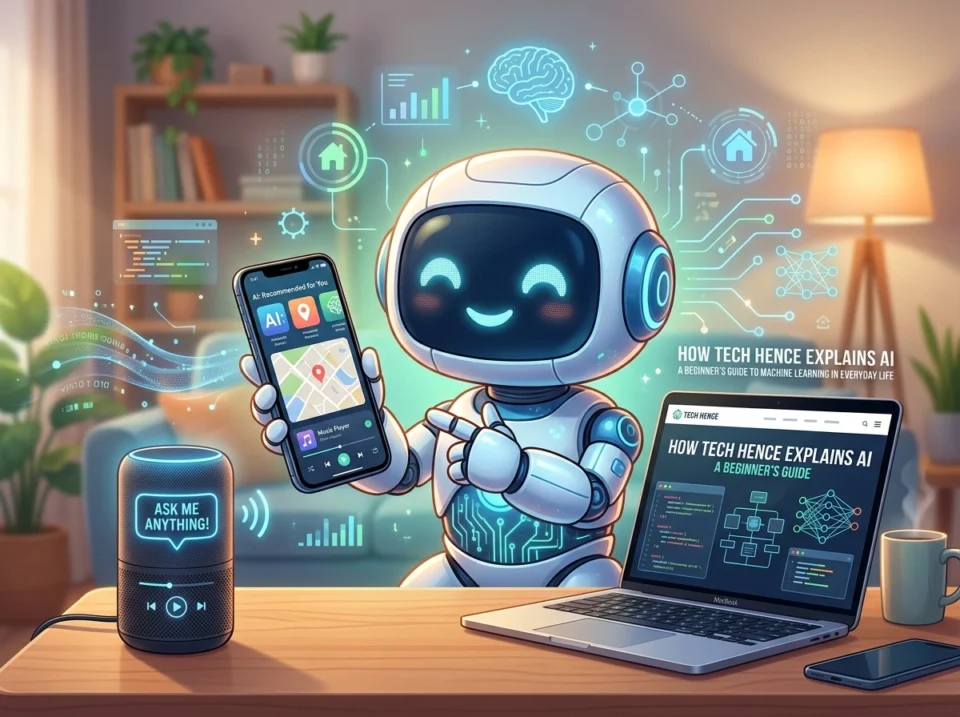
Artificial intelligence sounds like something out of a sci-fi movie. Robots, self-driving cars, computers that talk back. But here’s a surprise: you already use AI dozens of times a day, probably without even noticing. Every time you get a movie suggestion, unlock your phone with your face, or ask your smart speaker for the weather, AI is quietly doing its job behind the scenes.
If terms like “machine learning” make your eyes glaze over, you’re in the right place. This friendly guide breaks it all down in plain English, so you can finally understand the technology shaping your daily routine. Let’s dig in.
What Is AI and Machine Learning, Really?
Let’s start with the basics. Artificial intelligence (AI) is a broad term for computer systems that can perform tasks we usually think of as needing human smarts. Things like recognizing faces, understanding speech, or making decisions.
Machine learning (ML) is a specific type of AI, and it’s the engine behind most of the tech you use today. Instead of a programmer writing out step-by-step rules for every possible situation, machine learning lets computers learn from examples and improve over time.
Think of it like teaching a child. You don’t hand a toddler a rulebook on what a dog looks like. You point at dogs, say “dog,” and eventually the child figures out the pattern. Machine learning works the same way. Feed a computer thousands of dog photos, and it learns to spot a dog on its own, even ones it’s never seen before.
That’s the core idea: AI is the big goal, and machine learning is one of the most powerful ways we get there.
How Machine Learning Works in Simple Terms
You don’t need a computer science degree to grasp this. Machine learning boils down to three simple steps:
- Data goes in. The system gets fed tons of examples, like emails, photos, songs, or driving routes.
- The system finds patterns. It studies all that data and figures out what tends to go together. For example, emails with the phrase “you’ve won a prize” are often spam.
- It makes predictions. When new information comes in, the system uses what it learned to make a smart guess. Is this new email spam? Probably yes.
The magic is that the more data a system sees, the better it usually gets. This is why your favorite apps seem to “know you” better the longer you use them. They’re constantly learning from your choices.
Companies focused on making technology approachable, like tech hence, often stress that you don’t need to understand the math to appreciate the value. What matters is knowing how it helps you.
Everyday Examples You Already Use
Still think AI feels distant? Let’s look at real tools you likely used this week.
Netflix and Streaming Recommendations
Ever notice how Netflix seems to know exactly what you want to watch next? That’s machine learning at work. The service studies what you watch, when you stop, and what you rate highly. Then it compares your habits to millions of other viewers and predicts what you’ll enjoy. The same goes for Spotify playlists and YouTube’s “Up Next” queue.
Spam Filters in Your Email
Your inbox stays clean thanks to AI. Email services like Gmail use machine learning to scan incoming messages for spammy patterns, like suspicious links or shady phrases. Every time you mark something as spam, you’re teaching the system to get smarter. That’s why junk mail rarely reaches you anymore.
Voice Assistants
When you say “Hey Siri” or “Alexa, play some jazz,” AI kicks in. These assistants use machine learning to understand your speech, figure out what you mean, and respond. They also adapt to your accent and habits over time, getting more accurate the more you chat with them.
Google Maps and Navigation
Planning a road trip across the country? Google Maps uses AI to predict traffic, suggest faster routes, and estimate your arrival time. It pulls real-time data from millions of drivers to spot slowdowns before you hit them. That “arrive 12 minutes earlier” tip is machine learning saving your day.
Online Shopping
Amazon’s “customers also bought” suggestions and your personalized deals? All powered by machine learning. The system tracks what you browse and buy, then recommends products you’re likely to want.
The Benefits of AI in Daily Life
AI isn’t just cool, it genuinely makes life easier. Here’s how:
- It saves you time. Automatic recommendations, quick voice commands, and smart filters cut down on busywork.
- It personalizes your experience. From playlists to shopping, technology tailors itself to your unique tastes.
- It boosts safety. Fraud detection systems flag suspicious charges on your credit card in seconds, protecting your wallet.
- It improves healthcare. AI helps doctors spot diseases earlier and read medical scans more accurately.
- It supports accessibility. Voice controls, live captions, and text-to-speech tools open up technology for people with disabilities.
Across the country, businesses and everyday folks are finding that a tech-forward approach simply makes daily tasks smoother.
Common Misconceptions About AI
Because AI feels mysterious, plenty of myths float around. Let’s clear a few up.
Myth 1: AI is going to take everyone’s jobs.
While AI does automate some tasks, it also creates new roles and frees people to focus on creative, human-centered work. Most experts see it as a helper, not a replacement.
Myth 2: AI thinks and feels like a human.
Not even close. AI has no emotions, opinions, or awareness. It’s excellent at spotting patterns, but it doesn’t “understand” the way you do. It’s a very smart tool, nothing more.
Myth 3: AI is always right.
AI makes mistakes, especially when it learns from flawed or biased data. That’s why human oversight still matters. A recommendation engine might suggest a movie you hate, and a voice assistant sometimes mishears you.
Myth 4: AI is only for tech giants.
Small businesses and regular people use AI every day, often through free apps and tools. You don’t need a Silicon Valley budget to benefit.
Keep Learning and Stay Curious
Here’s the good news: understanding AI doesn’t require a fancy degree or endless free time. It just takes curiosity. The more you notice AI in your daily life, the more comfortable you’ll feel with the technology shaping our world.
AI and machine learning aren’t going anywhere. In fact, they’ll only become more woven into how we shop, travel, work, and connect. By learning the basics now, you’re setting yourself up to make smarter choices, protect your privacy, and take full advantage of these tools.
So the next time Netflix nails your movie pick or your maps app dodges a traffic jam, you’ll know exactly what’s happening behind the screen. That’s a small win worth celebrating.
Stay curious, keep exploring, and don’t be afraid to ask questions. Technology is at its best when it works for you, and understanding it is the first step to making that happen.
