
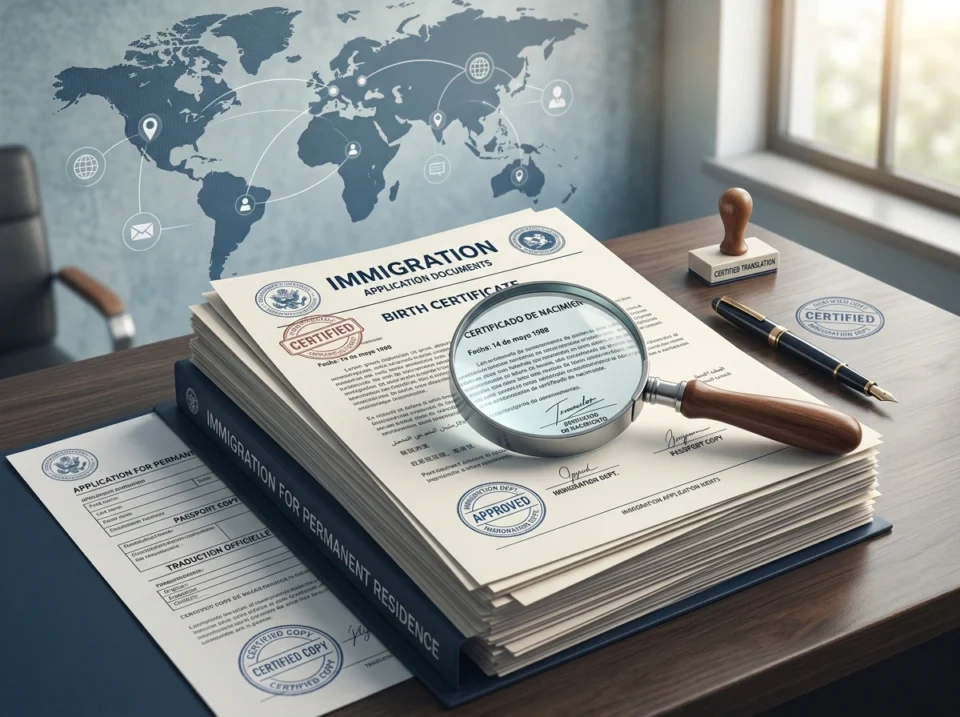
Navigating the United States immigration process requires meticulous attention to detail. One minor error on an application or supporting document can lead to significant delays or outright denials. Among the most critical components of this process is the translation of foreign-language documents.
United States Citizenship and Immigration Services (USCIS) mandates that all non-English documents be accompanied by a certified English translation. This requirement ensures that immigration officers can properly evaluate your background, identity, and eligibility for various immigration benefits. Finding a reliable translation provider becomes a top priority for applicants submitting green card, visa, or naturalization paperwork.
Many applicants wonder if they should hire a massive online agency or look for professionals nearby. Working with a community-based provider offers distinct advantages that streamline the application process. This article explores why choosing local professionals for your immigration document translations can save you time, reduce stress, and ensure full compliance with government standards.
Understanding Certified Translation Requirements for Immigration
USCIS has strict guidelines regarding how foreign documents must be translated and presented. According to federal regulations, specifically 8 CFR 103.2(b)(3), any document containing foreign language submitted to USCIS must be accompanied by a full English translation. The translator must certify that the translation is complete and accurate, and that they are competent to translate from the foreign language into English.
This certification comes in the form of a signed Certificate of Accuracy. A bilingual friend or family member cannot simply write out a translation and sign it. The government expects a professional standard to prevent fraud and ensure that legal facts remain intact. Common documents requiring this level of certification include birth certificates, marriage licenses, divorce decrees, police clearance certificates, and academic transcripts.
Failure to provide a properly certified translation often results in a Request for Evidence (RFE). An RFE pauses the processing of your application until you submit the corrected documents. By understanding these stringent requirements upfront, you can avoid unnecessary roadblocks in your immigration journey.
The Benefits of Local Certified Translation Services
Opting for a local service provider brings a layer of accountability and personalized customer service that large, faceless corporations often lack. When you work with an agency in your city or state, you have a direct line of communication. You can ask specific questions about your documents and receive immediate, relevant answers.
Local agencies are frequently familiar with the specific preferences of regional USCIS field offices or local immigration courts. If your case involves a local judge or a specific administrative body, a local translator likely knows exactly what formatting or additional notarization those officials prefer. This regional expertise provides peace of mind that your paperwork aligns perfectly with local expectations.
Furthermore, local providers rely heavily on community reputation. They have a vested interest in delivering high-quality work to maintain positive reviews and word-of-mouth referrals. This dynamic often results in a higher level of care and attention to detail for your specific case.
Why “Near Me” Matters: Accessibility and Physical Verification
When gathering paperwork for an immigration application, you are dealing with highly important original documents. Searching for certified translation services near me allows you to find professionals who can offer accessible, hands-on support.
Sometimes, immigration attorneys or specific government agencies require original “wet” signatures or physical notary stamps on the translation certificates. While digital copies are widely accepted by USCIS for initial filings, interviews often require the presentation of physical documents. A local translation service can easily provide hard copies with original ink signatures. You can pick these up directly or have them mailed locally with minimal transit time.
Accessibility also means faster turnaround for corrections. If you notice a misspelling of a hometown or a unique surname on the draft translation, a local provider can make the adjustment and print a new certified copy on the same day. This physical proximity eliminates the anxiety of waiting for corrected documents to arrive via international or cross-country mail.
Ensuring Accuracy and Legal Compliance
Accuracy is the cornerstone of any legal translation. A single mistranslated word on a birth certificate or police record can change the legal meaning of the document, potentially jeopardizing an immigration case. Professional translation services employ native speakers who understand legal terminology in both the source and target languages.
Reputable local providers often hold memberships with industry organizations, such as the American Translators Association (ATA). Working with ATA-affiliated professionals guarantees that the translators adhere to strict ethical and quality standards. They understand the nuances of formatting government documents to mirror the original text, making it easy for immigration officers to compare the foreign document with the English translation.
Legal compliance extends beyond just USCIS. If you need your documents for a state court, the Department of Motor Vehicles (DMV), or a university admissions office, the translation must meet their specific criteria. Local agencies understand these overlapping requirements and can provide a certified translation that works for multiple institutions simultaneously.
How Local Services Handle Sensitive Immigration Documents
Immigration applications contain your most private information. Passports, financial statements, medical records, and background checks are highly sensitive. Protecting this personal data from identity theft or privacy breaches is a major concern for applicants.
Local translation services typically operate with strict confidentiality agreements. Because they operate within your legal jurisdiction, they are subject to local and federal privacy laws. You can verify their physical business address and check their standing with the local Better Business Bureau. This transparency provides reassurance that your data is stored securely and handled ethically.
Additionally, using a local service reduces the risk of documents getting lost in transit. If you choose to drop off copies or receive physical translations via courier, the geographical closeness minimizes the chain of custody. Fewer hands touching your documents means a lower risk of sensitive information being compromised or misplaced.
Comparing Online vs. Local Translation Services
The translation industry has seen a massive shift toward digital operations. Many online agencies offer fast quotes and quick turnarounds entirely via the internet. While this convenience is appealing, completely remote agencies can sometimes lack the personalized support needed for complex immigration cases.
Online services might route your documents to freelance translators overseas to cut costs. This practice can sometimes result in inconsistent quality or a lack of familiarity with specific United States legal terminology. If an error occurs, communicating across different time zones to get a correction can be frustrating and time-consuming.
The best solution often blends the benefits of both models. Many excellent local providers offer robust online portals. You can upload your documents securely from home, get a transparent price quote, and have the translations completed quickly. You enjoy the convenience of a digital process combined with the accountability and quality assurance of a U.S.-based company that understands federal immigration laws.
Choosing the Right Partner for Your Immigration Journey
Securing the proper documentation is a vital step toward achieving your immigration goals. Whether you are applying for a work visa, seeking asylum, or petitioning for a family member, the quality of your translated documents plays a massive role in your success.
Take the time to research providers in your area. Look for transparent pricing structures, such as a flat rate per page, to avoid hidden fees. Verify that the agency guarantees USCIS acceptance and provides signed Certificates of Accuracy with every order. If your case requires notarization or expedited shipping, confirm that the provider offers those specific add-ons.
By prioritizing professional, locally accessible translation services, you protect your application from avoidable errors. Accurate translations keep your immigration process moving forward smoothly, allowing you to focus on building your future in the United States.
