
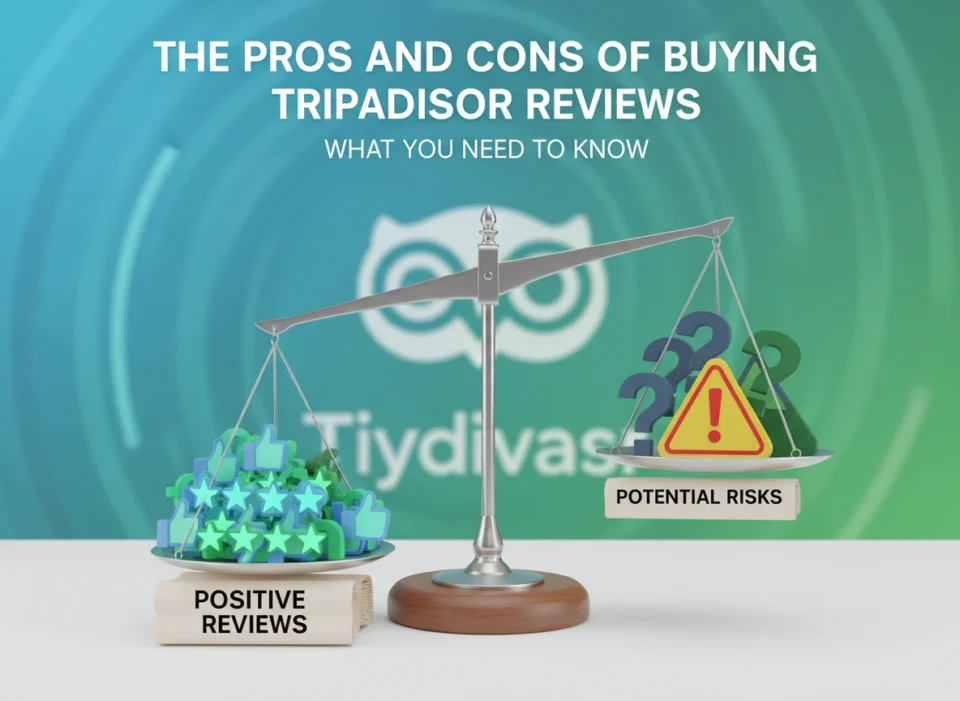
Online reviews can make or break a business in the travel and hospitality sector. For millions of travelers worldwide, TripAdvisor is a primary resource for planning trips, booking hotels, and choosing restaurants. A high rating on this platform can translate directly into increased bookings and revenue. Consequently, maintaining a stellar online reputation is no longer a secondary task; it’s a core business function. The pressure to stand out in a crowded market has led some businesses down a controversial path: buying TripAdvisor reviews.
This article will explore the complex issue of purchasing online reviews. We will delve into why a business might consider this tactic, analyzing both the perceived advantages and the significant downsides. More importantly, we will outline the substantial risks involved, including severe penalties and a permanent loss of customer trust. Finally, we will provide actionable strategies for building a strong, authentic online presence the right way.
Why Businesses Consider Buying TripAdvisor Reviews
The motivation behind buying reviews often stems from a desire for a competitive edge. For a new hotel, restaurant, or tour operator, getting those initial positive reviews can feel like a monumental task. Without a history of feedback, it’s difficult to attract the first wave of customers needed to generate organic reviews. This creates a challenging cycle where a lack of reviews leads to a lack of business, which in turn prevents new reviews from being written.
For established businesses, the pressure is different but just as intense. A string of negative reviews, whether fair or not, can quickly tarnish a long-standing reputation and push a business down in the rankings. The temptation to “fix” the problem quickly by injecting a batch of fake positive reviews can be strong. The perceived benefits seem straightforward: a rapid boost in ratings, improved visibility in search results, and the creation of a more appealing online profile to attract potential customers. Some business owners see it as a shortcut to success in a fiercely competitive digital landscape.
The Perceived “Pros” of Buying Reviews
While the practice is unethical and risky, it’s important to understand the short-term gains that tempt business owners. These perceived benefits are the bait on a very dangerous hook.
A Rapid Boost in Visibility and Ranking
TripAdvisor’s algorithm, like many search and ranking systems, favors businesses with a high volume of positive, recent reviews. By purchasing reviews, a business can artificially inflate its rating and review count. This can lead to a quick jump in the platform’s rankings for a specific location or category. Higher placement means more visibility, putting the business in front of a larger audience of potential customers who are actively looking to make a booking. This immediate exposure is one of the most compelling, albeit deceptive, advantages.
Building Initial Credibility
For a business just starting, the empty review page is a significant hurdle. Consumers often hesitate to be the first to try a new establishment, preferring the safety of a place that has been vetted by others. Buying a small number of reviews can create an illusion of establishment and popularity. This manufactured “social proof” might be enough to convince early-adopter travelers to give the business a try, thereby kickstarting the process of generating genuine, organic reviews. The fake reviews act as a temporary foundation to attract real customers.
Counteracting Negative Feedback
A single, detailed negative review can have a disproportionate impact on a business’s average rating. Some business owners feel that such reviews are unfair or do not accurately represent the typical customer experience. In these situations, the temptation to drown out the negativity with a flood of purchased five-star reviews is powerful. The goal is to bury the critical feedback and present a more favorable overall picture to prospective customers, protecting the business’s image and revenue stream from what they perceive as unjust criticism.
The Overwhelming Cons: Risks and Ethical Nightmares
The potential benefits of Buy TripAdvisor Reviews are fleeting and built on a foundation of deceit. The risks, however, are severe, long-lasting, and can cause irreparable harm to a business.
Severe Penalties from TripAdvisor
TripAdvisor invests heavily in detecting and penalizing review fraud. The platform employs sophisticated algorithms and a dedicated team of investigators to identify suspicious activity. The consequences for being caught are not minor. Penalties can include:
- Removal of fraudulent reviews: The purchased reviews will be identified and deleted, erasing any temporary gains.
- Ranking penalties: The business’s position in the rankings will be dropped significantly, making it much harder for travelers to find.
- Red badge of shame: In the most severe cases, TripAdvisor will place a prominent red penalty notice on the business’s listing page. This badge explicitly warns travelers that the business has been caught attempting to manipulate its reviews, serving as a powerful deterrent to potential customers. This public shaming can be catastrophic for a brand’s reputation.
Complete Loss of Customer Trust
Trust is the currency of the hospitality industry. When customers discover that a business has been dishonest, that trust is shattered. The damage extends far beyond the removal of a few fake reviews. A reputation for deceit is incredibly difficult to repair. Word spreads quickly online, and a business caught buying reviews will be seen as untrustworthy in all aspects of its operation. This can lead to a long-term decline in bookings as travelers choose competitors they feel they can trust.
Legal and Financial Consequences
The act of posting fake reviews is not just unethical; it can also be illegal. In many countries, including the United States and the United Kingdom, posting fake endorsements is considered a form of false advertising and is prohibited by consumer protection laws. The Federal Trade Commission (FTC) in the U.S., for example, has the authority to levy significant fines against companies engaging in deceptive marketing practices. Beyond fines, businesses may also face legal action from consumers who feel they were misled.
How to Build an Authentic TripAdvisor Presence Ethically
The good news is that achieving a top-tier TripAdvisor presence is entirely possible without resorting to unethical tactics. Building an authentic reputation takes time and effort, but the results are sustainable and create real value.
Provide an Exceptional Customer Experience
The foundation of every great review is an outstanding customer experience. This is the most crucial element of your strategy. Focus on delivering excellent service, providing a high-quality product, and creating memorable moments for your guests. Go above and beyond expectations. Happy, satisfied customers are your most powerful marketing asset and the most likely source of glowing, five-star reviews.
Simply Ask for Reviews
Many satisfied customers are willing to leave a review but may not think to do so unless prompted. It is perfectly within TripAdvisor’s guidelines to ask your guests to share their experience. You can do this in several non-intrusive ways:
- Mention it verbally during a positive checkout experience.
- Include a small, polite note on receipts or folios.
- Send a post-stay follow-up email thanking them for their business and including a direct link to your TripAdvisor page.
The key is to ask for an honest review, not explicitly for a positive one.
Engage with All Reviews—Good and Bad
Actively managing your TripAdvisor page shows that you value customer feedback. Respond professionally and promptly to all new reviews. Thank guests for positive comments, reinforcing what you’re doing well.
More importantly, address negative reviews constructively. Apologize for any shortcomings, explain the steps you are taking to address the issue, and invite the guest to contact you directly to discuss the matter further. A thoughtful response to a negative review can demonstrate your commitment to customer service and even win over prospective customers who see that you take feedback seriously.
Conclusion: Authenticity is the Only Path Forward
While the idea of a quick fix for your TripAdvisor rating might seem appealing, buying reviews is a shortsighted and dangerous gamble. The potential for severe penalties, a complete loss of customer trust, and legal trouble far outweighs any temporary benefits. The damage to your brand’s reputation can be permanent.
The only sustainable path to success on TripAdvisor and in the hospitality industry is through authenticity and a relentless commitment to excellence. Focus your resources on creating unforgettable experiences for your guests. Encourage them to share their honest feedback, engage with what they have to say, and use their insights to continuously improve. A strong reputation built on genuine customer satisfaction is an invaluable asset that cannot be bought—it must be earned.
